


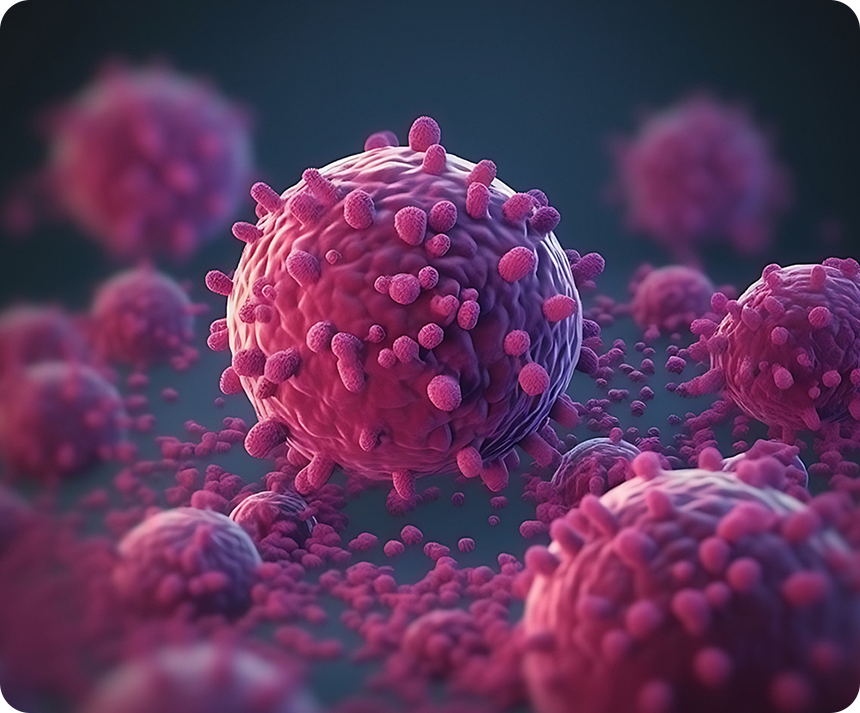
Cancer, a major global health threat, includes common high-incidence and refractory types. Its pathogenesis involves complex links such as gene mutations and abnormal signaling pathways. Scientific research antibodies, with high-specificity recognition capabilities, play a key role in early cancer screening, targeted drug development, and analysis of immune escape mechanisms, providing core support for precise cancer research and treatment.
In diverse life science research fields—from signaling pathway regulation and organelle function analysis to immune mechanism exploration and stem cell application research—antibodies are indispensable tools. They support core experimental technologies including WB, IHC, IF, CO-IP, ELISA, and FCM, helping researchers unlock life mysteries such as cellular metabolism, developmental regulation, and disease occurrence, and driving continuous breakthroughs in life sciences. In the future, with optimized antibody performance and discovery of new targets, they will inject stronger momentum into cancer conquest and life science progress.
Kinases play a key regulatory role in tumor signaling pathways. Their abnormal activation drives abnormal cell proliferation, differentiation, and metastasis. Kinase inhibitors specifically block abnormal kinase activity to inhibit tumor cell growth, serving as an important type of targeted therapy drug that has revolutionized the treatment of lung cancer, breast cancer, and other malignancies.
Core Kinase Target Biomarkers
RTK/Growth Factor Receptors: EGFR, Mutant EGFR, ROS1, ALK, Met, VEGFR, PDGFR.
Intracellular Kinases: B-Raf, Ras, K-Ras, IRAK, GSK3, c-Jun.
Kinase Downstream Signaling Pathway Biomarkers
Proliferation/Survival Pathways: Phospho-Akt, Phospho-p44/42 MAPK (Erk1/2), Phospho-p38 MAPK, Phospho-MEK1/2.
Metabolism/Synthesis Pathways: Phospho-p70 S6 Kinase, p70 S6 Kinase.
Kinase Inhibition Efficacy Verification Biomarkers
Phosphorylated Kinases: Phosphorylated forms of target kinases (e.g., Phospho-EGFR, Phospho-ALK), directly reflecting kinase activity inhibition.
Downstream Pathway Phosphorylated Proteins: Phospho-p44/42 MAPK (Thr202/Tyr204), etc., indirectly verifying the blocking effect of inhibitors on signal transduction.
Precise cell cycle regulation ensures normal cell division, while the DDR system is responsible for DNA damage repair. Dysfunction of either leads to genomic instability, thereby inducing tumors.Research in this field clarifies the mechanisms of abnormal cell cycle and DNA repair defects in tumor cells, laying a theoretical foundation for developing anticancer drugs targeting cell cycle checkpoints and DDR pathways.
Common Biomarkers for Cell Cycle Regulation
Cycle Checkpoint Molecules: CDK4, CDK6, CDK2, Cyclin D1, Cyclin E1, PLK1.
Core Regulatory Proteins: Phospho-Rb (Ser807/811), Rb.
Common Biomarkers for DNA Damage Response (DDR)
Damage Sensing and Signal Transduction: ATM, ATR, Phospho-Chk1 (Ser345), Chk1, Phospho-Chk2, Chk2.
Repair and Apoptosis Regulation: Phospho-p53, p53, MDM2, PARP, Rad51.
Senescence-Related Biomarkers
Cycle Inhibitory Proteins: p16 INK4A, p21 Waf1/Cip1.
Structural and Functional Indicators: Lamin B1, β-Galactosidase.
To meet the demand for rapid proliferation, tumor cells undergo metabolic reprogramming, exhibiting unique metabolic phenotypes such as enhanced glycolysis and abnormal glutamine metabolism.Deciphering tumor metabolic mechanisms helps reveal the survival strategies of tumor cells, providing new insights for developing metabolic target inhibitors (e.g., glycolysis inhibitors) and tumor nutritional interventions.
Glucose Metabolism Biomarkers
Transport and Catabolism: Glut1 (Glucose Transporter), HK2 (Hexokinase), PKM2 (Pyruvate Kinase).
Signal Regulation: Phospho-IGF-IR, Phospho-Insulin Receptor β, Phospho-GSK-3β.
Fatty Acid and Amino Acid Metabolism Biomarkers
Fatty Acid Metabolism: Acetyl-CoA Carboxylase (ACC), Phospho-ACC (Ser79), Perilipin-1.
Amino Acid Metabolism: Arginase-1, ASS1, Phospho-BCKDH.
Autophagy-Related Biomarkers
Key Molecules: LC3B, Phospho-mTOR, Atg13, ULK1, SQSTM1/p62.
This field focuses on the molecular mechanisms underlying the transformation of normal cells into tumor cells, including key links such as proto-oncogene activation, tumor suppressor gene inactivation, and tumor microenvironment remodeling.Clarifying transformation/tumorigenesis mechanisms is fundamental to understanding cancer origin, providing core targets for early intervention in tumorigenesis and development of tumor prevention strategies.
Transcription Factor/Coregulator Biomarkers
Key Molecules: Phospho-STAT3, c-Myc, GLI, p65, PAX5.
Signal Transduction Pathway Biomarkers
Key Pathway Molecules: Phospho-SMAD2/3, TGF-β, β-Catenin, YAP/TAZ, LATS1, DLL3, Notch1/2/3.
Core EMT Biomarkers
Epithelial/Mesenchymal Phenotype Molecules: E-Cadherin (Epithelial), Vimentin, α-Smooth Muscle Actin, Fibronectin (Mesenchymal), Vinculin.
Dysregulated apoptosis is a key factor in tumor cell survival, as tumor cells often achieve unlimited proliferation by evading apoptosis.Targeted apoptosis research aims to develop drugs that activate tumor cell apoptosis pathways or inhibit their anti-apoptotic mechanisms, representing an important direction in cancer treatment. For example, Bcl-2 family inhibitors have achieved significant efficacy in the treatment of hematological malignancies.
Intrinsic Apoptosis Pathway Biomarkers
Anti-Apoptotic Proteins: Bcl-2, Bcl-xL, Mcl-1
Pro-Apoptotic Proteins: Bax, Bim, Bad, Puma, Noxa
Extrinsic Apoptosis Pathway Biomarkers
Death Receptors and Ligands: TRAIL, DR4, DR5, TNF, TNF-R1, TNF-R2, FasL, Fas
Caspase Activators and Apoptosis Execution Biomarkers
Activators: Smac/Diablo, XIAP, c-IAP1, c-IAP2, Survivin, Livin
Execution Molecules: Cleaved Caspase-3, Cleaved Caspase-9, Cleaved PARP
Epigenetic modifications (e.g., DNA methylation, histone modification) participate in tumorigenesis by regulating gene expression. Their abnormalities lead to proto-oncogene activation or tumor suppressor gene silencing.Research on epigenetic regulatory mechanisms reveals the epigenetic characteristics of tumorigenesis, providing theoretical support for developing epigenetic targeted drugs (e.g., DNA methyltransferase inhibitors).
Methylation and Demethylation Regulatory Biomarkers
Histone Regulation: Ezh2, LSD1, H3K27me3
DNA Regulation: DNMT, TET, 5-Methylcytosine (5-mC), 5-Hydroxymethylcytosine (5-hmC), N6-Methyladenosine (m6A), METTL3, FTO
Acetylation and Deacetylation Regulatory Biomarkers
Histone Regulation: CBP, p300, H3K27ac, HDAC
Histone Mutation Biomarkers
Mutant Histones: H3K27M, H3K36M, H3K9M
Modification-Related: H3K27me3, H3K36me3, H3K9me3
Common Tumor Biomarkers
Modified antibodies are characterized by ultimate epitope specificity, high sensitivity, a multi-dimensional rigorous validation system, and accurate capture of dynamic changes in protein function.
Related Resource Links



Related Promotional Journal Downloads


Explore Our Recommended Popular Products
More products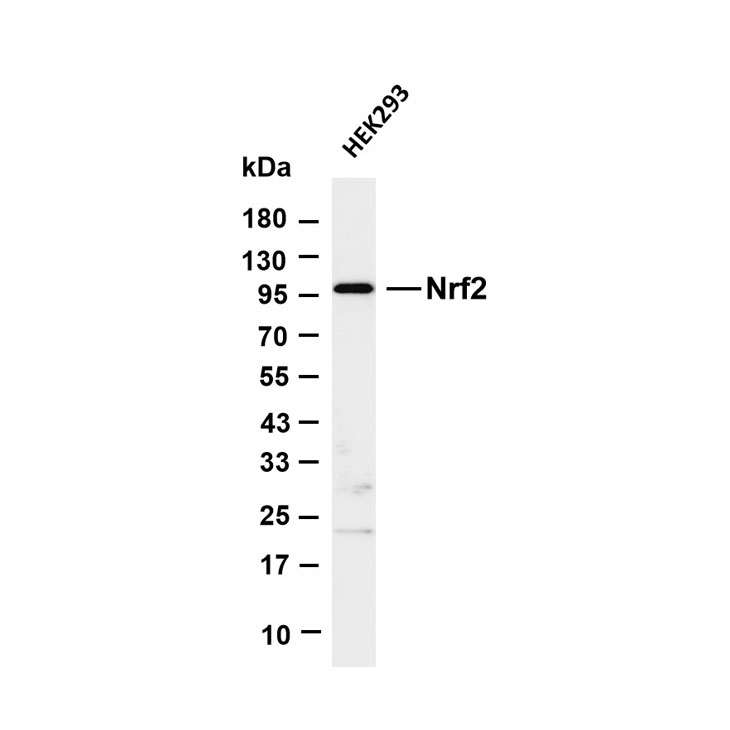
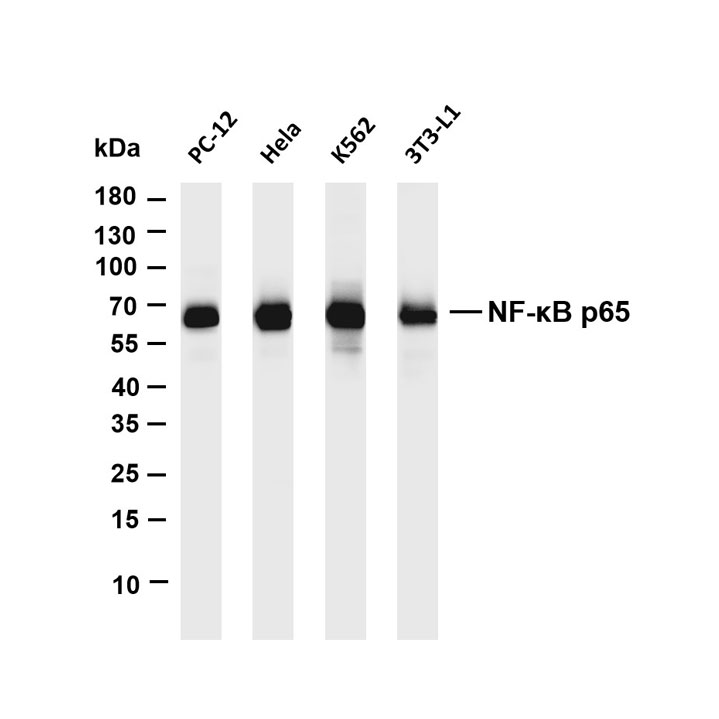
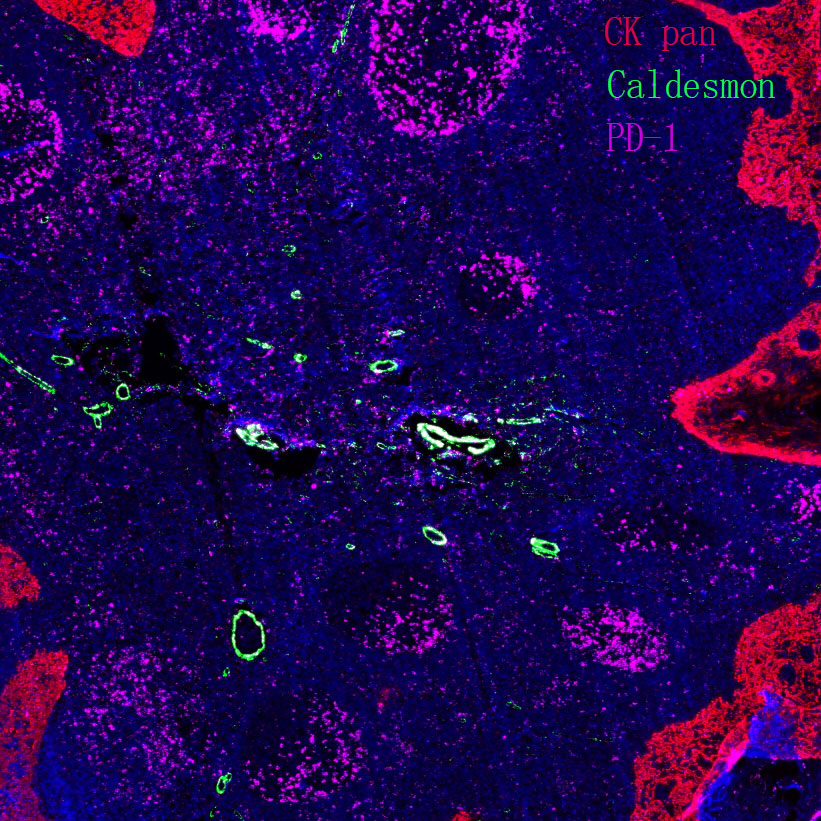

30,000+ high- quality products available online
Primary Antibodies, Secondary Antibodies, mIHC Kits, ELISA Kits, Proteins, Molecular Biology Products,Cell Lines,Reagents ...
Contact Us
-

400-801-6722
-

support@lamarck.cn
-


Order
-

Message