


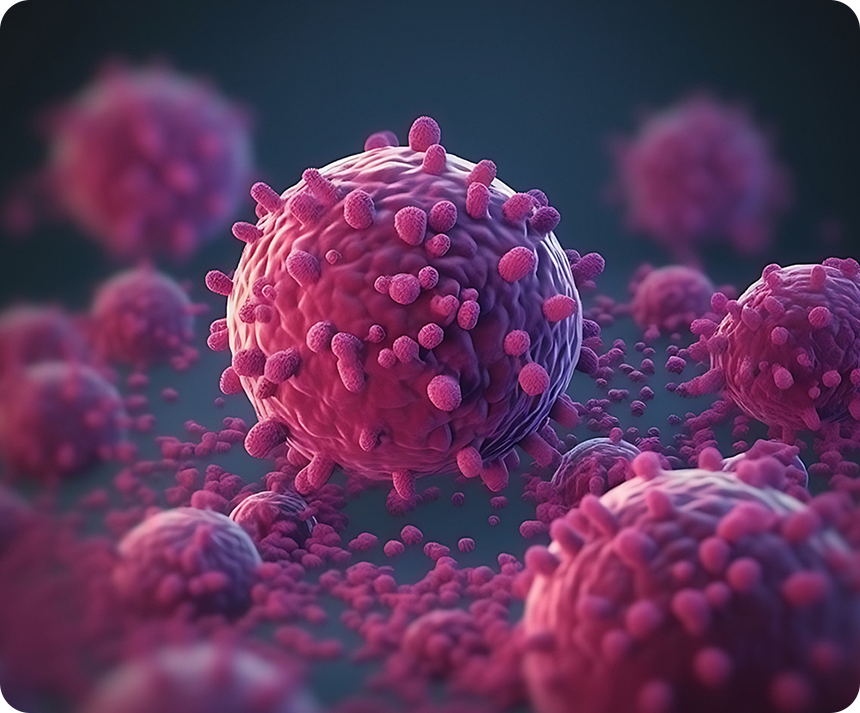
In the field of life sciences basic research, cardiovascular research unfolds across multiple dimensions including disease pathogenesis, cellular and molecular regulation, and genetics & development. It continuously integrates cutting-edge technologies to expand new directions. The specific sub-directions below cover the core international research hotspots
Pathogenic Gene Analysis: Focuses on gene mapping of monogenic cardiovascular diseases (e.g., hypertrophic cardiomyopathy, ion channel diseases) and polygenic complex diseases (e.g., coronary heart disease, hypertension). Examples include studying the mechanism by which the interaction between PITX2 and ZFHX3 genes increases atrial fibrillation risk by 6-fold, and identifying mutation genes related to sudden death and syncope via whole-exome sequencing. Internationally, genome-wide association studies are used to screen cardiovascular disease susceptibility loci, providing a basis for early risk prediction.
Epigenetic Regulation: Explores the impact of DNA methylation, histone modification, and non-coding RNA on cardiovascular homeostasis. For instance, the previously mentioned RNA-binding protein RBMS1 interferes with genes to induce myocardial fibrosis, and microRNAs participate in vascular injury repair through targeted gene regulation. Internationally, epigenetics is recognized as a key mediator linking environmental factors to cardiovascular health.
Cardiomyocyte Biology: Investigates the electrophysiological characteristics, energy metabolism, and apoptotic mechanisms of cardiomyocytes. This includes the molecular pathways of cardiomyocyte death due to ischemia-hypoxia during myocardial infarction, and the causes of age-related decline in cardiomyocyte contractile function. It also explores cardiomyocyte regenerative potential to find breakthroughs for post-infarction myocardial repair.
Vascular Cell Research: Focuses on vascular endothelial cells and smooth muscle cells. Examples include increased vascular permeability and thrombosis caused by endothelial cell damage, and vascular stenosis from abnormal smooth muscle cell proliferation. The molecular modification of mRNA by METTL14 to induce chronic vascular endothelial inflammation is a typical achievement in this field.
Stem Cell and Regenerative Medicine: Focuses on the differentiation potential of cardiac stem cells and mesenchymal stem cells for repairing damaged myocardium via transplantation. It also explores the regulatory effects of growth factors and biomaterials on stem cell colonization and differentiation. Internationally, multiple studies have optimized stem cell properties through gene editing to enhance repair efficiency.
Atherosclerosis Mechanisms: A core research direction, focusing on deciphering the molecular network of lipid deposition, inflammatory cell infiltration, and plaque formation/rupture. This includes the crosstalk between immune and vascular cells, the promotion of plaque progression by inflammatory factors (e.g., IL-6), and the impact of gut microbiota metabolites on atherosclerosis.
Myocardial Remodeling and Fibrosis: Studies the regulatory mechanisms of cardiomyocyte hypertrophy and interstitial fibrosis after myocardial injury, with core targets centered on classic pathways such as TGF-β/Smad. Internationally, novel molecules like FBLN7 and USP53 are being investigated for their role in regulating myocardial extracellular matrix deposition, offering new ideas for reversing heart failure.
Cardiovascular Inflammatory and Immune Mechanisms: Explores the role of the immune system in cardiovascular diseases, such as myocarditis caused by autoimmune reactions, the regulatory role of immune cell subsets (e.g., M2 macrophages) in fibrosis, and the impact of neutrophil extracellular traps (NETs) on vascular injury.
Studies the embryonic development of the heart and blood vessels, including the differentiation of cardiac progenitor cells and the regulation of cardiac chamber and conduction system formation. Core signaling pathways involve Notch, Wnt, and TGF-β. It also investigates the molecular causes of congenital heart diseases (e.g., ventricular septal defect) due to developmental abnormalities, and the impact of fetal environmental factors on adult cardiovascular health, providing theoretical support for early intervention in congenital heart diseases.
Metabolism and Cardiovascular Diseases: Deciphers the association between metabolic disorders (e.g., diabetes, obesity) and cardiovascular diseases. Examples include vascular endothelial glycosylation damage caused by hyperglycemia, and the promotion of atherosclerosis by abnormal lipid metabolism. Internationally, multiple lipid-lowering and anti-diabetic drugs with cardiovascular protective effects have been developed targeting metabolic pathways.
Gut Microbiota and Cardiovascular Homeostasis: Explores the pathways by which gut microbiota imbalance affects cardiovascular health through metabolites (e.g., bile acids, short-chain fatty acids). For instance, certain microbiota metabolites can induce vascular inflammation, offering a new perspective for dietary intervention in cardiovascular diseases.
Cardiovascular Aging Mechanisms: Studies the molecular mechanisms of age-related declines in vascular elasticity and myocardial function (e.g., telomere shortening, enhanced oxidative stress), identifying key targets for delaying vascular aging. METTL14 is an internationally recognized molecule associated with vascular aging.
Gene Editing and Targeted Therapy: Uses CRISPR-Cas9 technology to correct gene mutations in hereditary cardiovascular diseases (e.g., familial hypercholesterolemia). It also develops drugs targeting specific signaling pathways to achieve precise intervention in cardiovascular diseases.
Development of Diagnostic and Predictive Tools: Develops genetic diagnostic kits through big data integration and molecular marker screening. Examples include CYP2C19 gene polymorphism detection kits, and kits for predicting sudden death and atrial fibrillation risk. Internationally, efforts are underway to translate these achievements from the laboratory to clinical applications.
Related Resource Links


Related Promotional Journal Downloads


Explore Our Recommended Popular Products
More products

30,000+ high- quality products available online
Primary Antibodies, Secondary Antibodies, mIHC Kits, ELISA Kits, Proteins, Molecular Biology Products,Cell Lines,Reagents ...
Contact Us
-

400-801-6722
-

support@lamarck.cn
-


Order
-

Message