


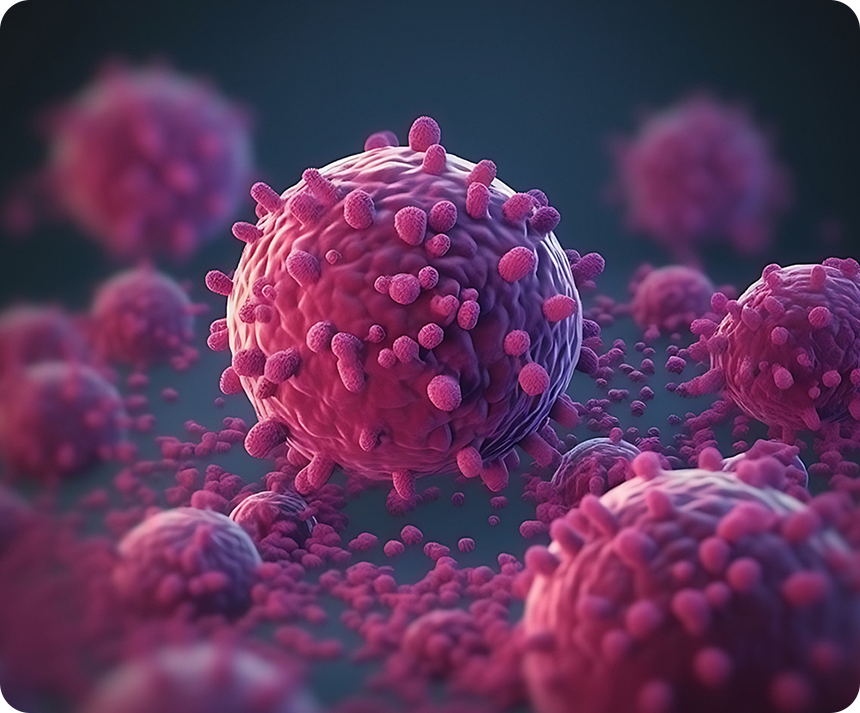
Basic research in immunology focuses on the "composition and functional regulation of the immune system, as well as its interactions with the organism/pathogens". Its core is to decipher the molecular and cellular mechanisms of immune recognition, response, tolerance, and memory, providing fundamental theoretical support for the prevention and control of infectious diseases, treatment of autoimmune diseases, tumor immunological intervention, and regulation of transplant immunity.
Recognition and Activation Mechanisms of Innate Immunity
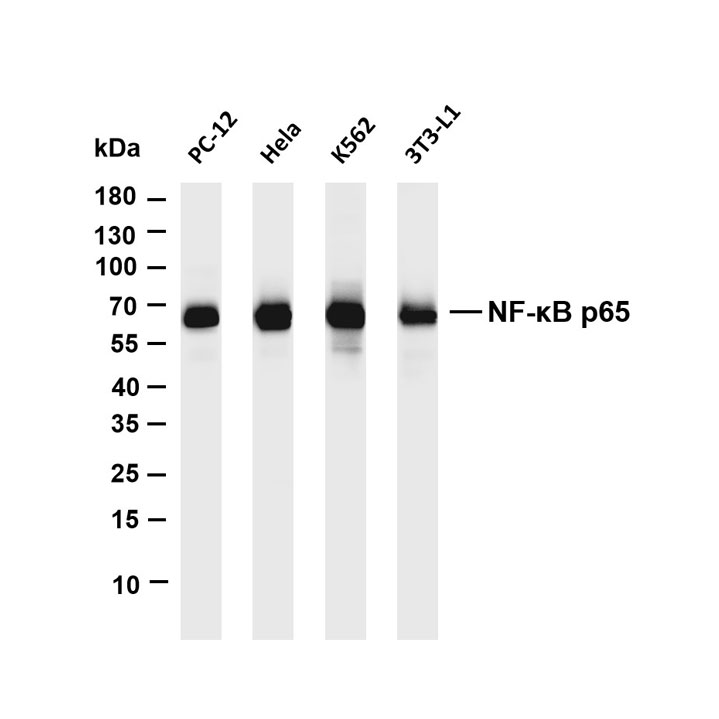
Pattern recognition and signal transduction: Explore the molecular mechanisms by which innate immune cells (macrophages, dendritic cells, NK cells, etc.) recognize pathogen-associated molecular patterns (PAMPs) or damage-associated molecular patterns (DAMPs) via pattern recognition receptors (PRRs, e.g., TLR, RIG-I, NLR), and decipher the activation and regulatory logic of downstream signaling pathways (e.g., NF-κB, IRF).
Functional specialization of innate immune cells: Study the phenotypic and functional heterogeneity of innate immune cells in different tissue microenvironments, clarify their specific roles in anti-infection, tissue repair, and inflammation regulation, as well as the differentiation and functional regulation of innate lymphoid cell (ILC) subsets.
Innate immune memory and trained immunity: Decipher the formation mechanism of "trained immunity" in innate immune cells (e.g., remodeling via epigenetic modifications), explore the molecular basis of their long-term protective effects, and their roles in secondary infections and autoimmune diseases.
Response and Regulatory Mechanisms of Adaptive Immunity
Lymphocyte activation and differentiation: Elucidate the activation signal network of T cells and B cells after recognizing antigens via antigen receptors (TCR/BCR), and decipher the differentiation and regulatory mechanisms of helper T cells (Th1/Th2/Th17/Treg), cytotoxic T cells (CTL), and memory lymphocytes.
Antibody production and immune memory: Investigate the molecular mechanisms of somatic hypermutation and class switch recombination in B cells, reveal the regulatory role of follicular helper T cells (Tfh) in high-affinity antibody production, as well as the maintenance and recall mechanisms of memory B cells and memory T cells.
Immunological synapse and signal regulation: Decipher the formation and function of immunological synapses between T cells and antigen-presenting cells (APCs), and explore the precise regulation of immune responses by co-stimulatory molecules (CD28, OX40) and co-inhibitory molecules (PD-1, CTLA-4).
Immune Tolerance and Immunopathological Mechanisms
Central and peripheral immune tolerance: Elucidate the molecular mechanisms of negative selection of T cells in the thymus and clonal deletion of B cells in the bone marrow, decipher the maintenance strategies of peripheral tolerance (e.g., immune suppression by Treg cells, immune ignorance, cell apoptosis), and their abnormal mechanisms in autoimmune diseases.
Immune imbalance and disease association: Explore the molecular etiologies of excessive immune activation (e.g., allergic reactions, autoimmune diseases), immune deficiency (e.g., primary immunodeficiency diseases, AIDS), and immune aging, and decipher the triggering and regulatory mechanisms of cytokine storms.
Tumor immune escape mechanisms: Reveal the molecular mechanisms by which tumor cells escape immune surveillance through downregulating antigen expression, overexpressing PD-L1/PD-L2, and inducing an immunosuppressive microenvironment, providing targets for tumor immunotherapy.
Immunity, Microenvironment, and Cross-Regulation
Immunity-microbiome interaction: Study the regulatory role of the microbiome on mucosal surfaces (e.g., intestines, skin) in the development and functional maturation of the immune system, and decipher the impact of microbial metabolites (e.g., short-chain fatty acids) on immune cell differentiation.
Immune-neuro-endocrine network: Elucidate the regulation of immune cell functions by neurotransmitters and hormones, as well as the reverse regulation of the nervous and endocrine systems by immune molecules (e.g., cytokines), revealing the coordinated regulatory logic of the "immune-neuro-endocrine axis".
Regulation of immunity by tissue microenvironment: Explore the impact of cell composition and cytokine profiles of microenvironments in different tissues (e.g., tumors, inflammatory foci, mucosal tissues) on the infiltration, activation, and functions of immune cells, and decipher the key molecules for immune microenvironment remodeling.
Immune cell isolation and sorting technologies: Precisely isolate and purify specific immune cell subsets using flow cytometry (FACS), magnetic-activated cell sorting (MACS), etc., laying the foundation for functional research.
Gene editing and model organism technologies: Construct immune-related gene-modified models (mice, zebrafish, etc.) via CRISPR/Cas9, transgenesis, gene knockout, etc., to verify gene functions and regulatory networks.
Single-cell omics and spatial omics technologies: Decipher immune cell heterogeneity, differentiation trajectories, and spatial distribution characteristics of immune cells in tissues using single-cell transcriptome, single-cell epigenome, and spatial transcriptome sequencing.
Immunological imaging technologies: Observe the migration, interaction of immune cells, and dynamic formation of immunological synapses in real time using confocal microscopy, super-resolution microscopy, and in vivo imaging technologies.
Bioinformatics and systems immunology: Integrate multi-omics data to construct immune regulatory network models, predict key regulatory nodes, and explore immune-related biomarkers and therapeutic targets.
Related Resource Links


Related Promotional Journal Downloads


Explore Our Recommended Popular Products
More products
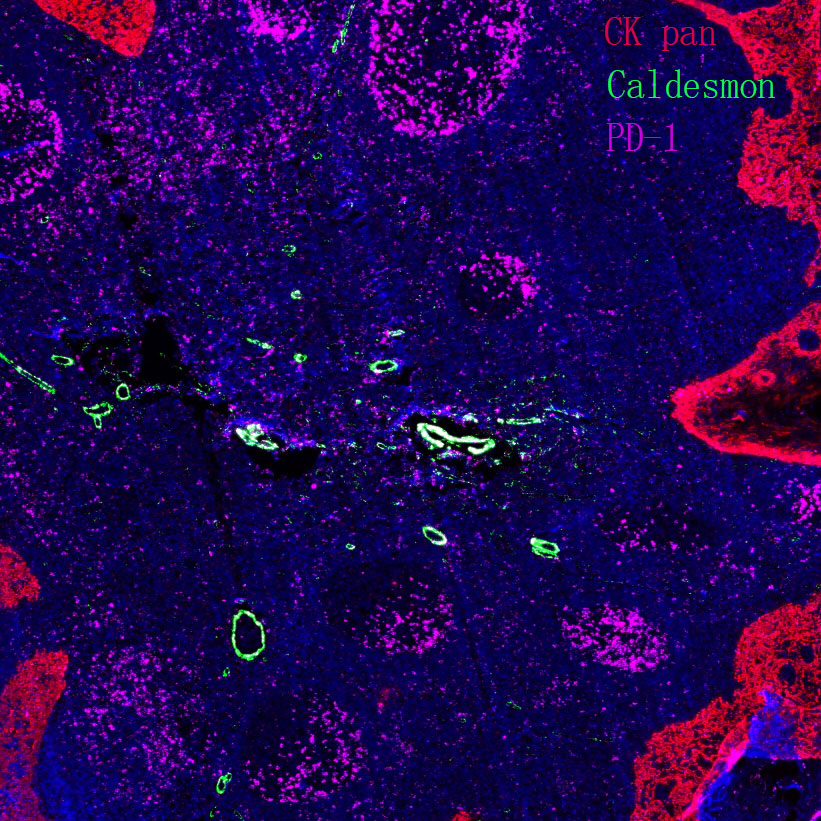

30,000+ high- quality products available online
Primary Antibodies, Secondary Antibodies, mIHC Kits, ELISA Kits, Proteins, Molecular Biology Products,Cell Lines,Reagents ...
Contact Us
-

400-801-6722
-

support@lamarck.cn
-


Order
-

Message