


Antigen processing and presentation
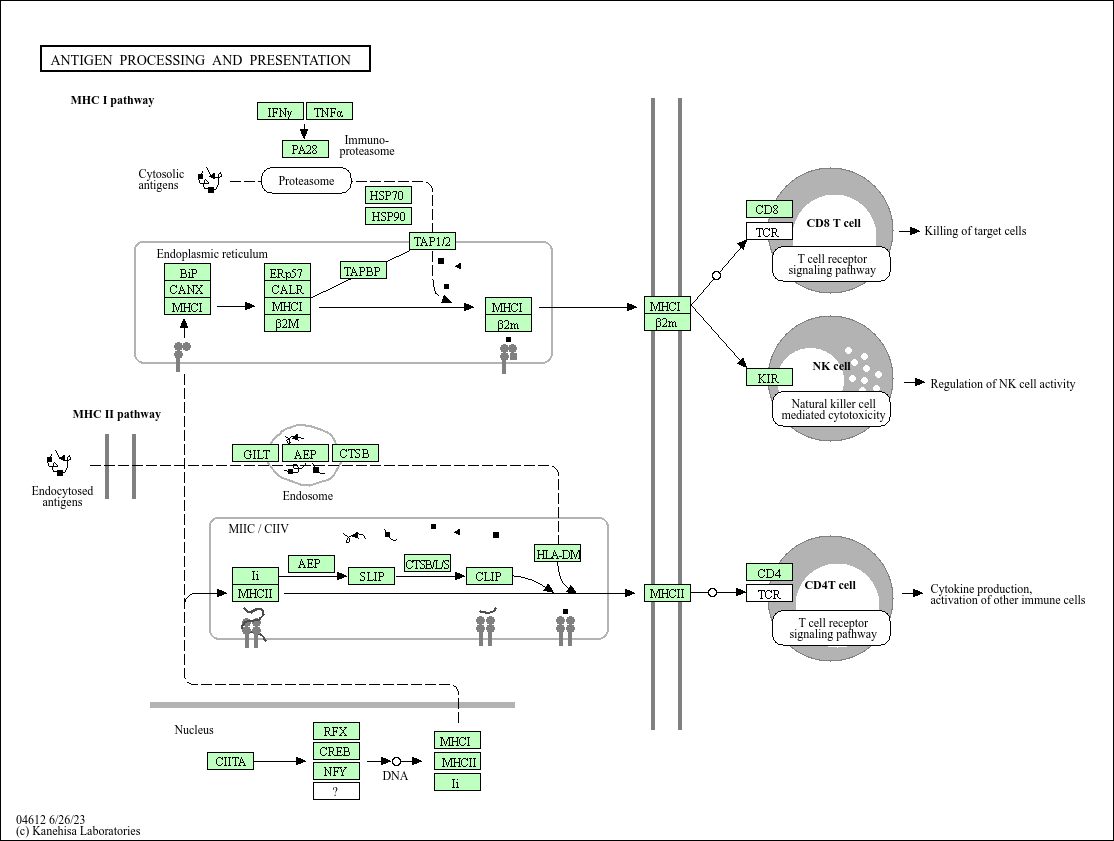
Core of basic research: As a key pathway linking innate and adaptive immunity, it focuses on the differential processing mechanisms of endogenous antigens (e.g., viral proteins) and exogenous antigens (e.g., bacteria). Endogenous antigens are degraded into short peptides by the proteasome (with LMP2/7 involvement), transported to the endoplasmic reticulum via TAP1/2, assembled with MHC-I molecules, and expressed on the cell surface to present to CD8+ T cells. Exogenous antigens are internalized by phagocytes to form phagosomes, fused with lysosomes for degradation, and the resulting antigenic peptides bind to MHC-II molecules (matured with HLA-DM assistance) to present to CD4+ T cells. Research focuses include specific regulation of antigen degradation, assembly and intracellular transport of MHC molecules, cooperative recognition mechanism between costimulatory molecules (CD80/CD86) and TCR, and abnormal pathway regulation in pathological states (e.g., downregulated MHC molecule expression leading to immune escape in tumors and autoimmune diseases).
Core key proteins: MHC-I/II, TAP1/2 (antigen transporters), LMP2/7 (proteasome subunits), HLA-DM (MHC-II molecule maturation regulator), CD80/CD86 (costimulatory molecules), TCR (T cell receptor), CLIP (MHC-II-associated invariant chain peptide), ERAAP (antigenic peptide editing enzyme).
Core key proteins: MHC-I/II, TAP1/2 (antigen transporters), LMP2/7 (proteasome subunits), HLA-DM (MHC-II molecule maturation regulator), CD80/CD86 (costimulatory molecules), TCR (T cell receptor), CLIP (MHC-II-associated invariant chain peptide), ERAAP (antigenic peptide editing enzyme).
Product list
-
{{item.title}}{{item.react}}{{item.applicat}}
Product list
Product name
Reactivity
Application
Related Resource Links



Related Promotional Journal Downloads


Explore Our Recommended Popular Products
More products
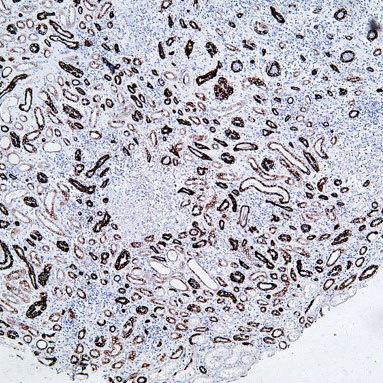
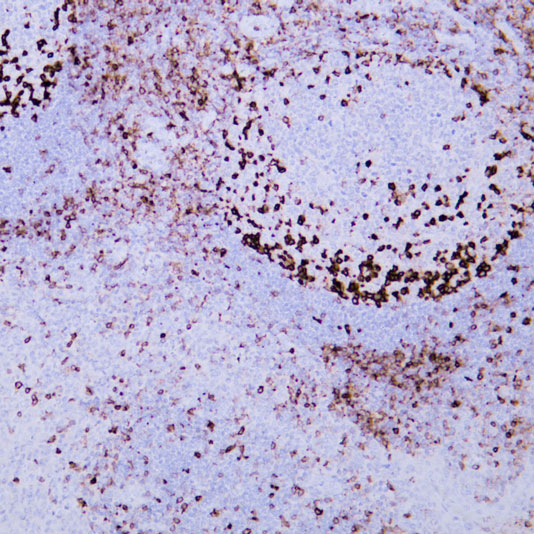
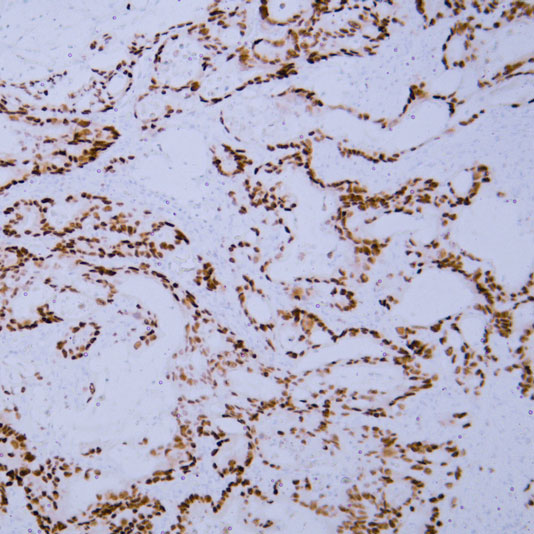
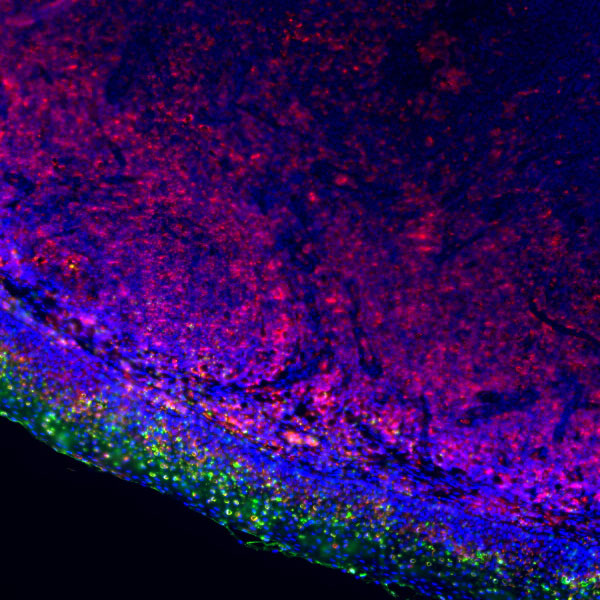

30,000+ high- quality products available online
Primary Antibodies, Secondary Antibodies, mIHC Kits, ELISA Kits, Proteins, Molecular Biology Products,Cell Lines,Reagents ...
Contact Us
-

400-801-6722
-

support@lamarck.cn
-


Order
-

Message